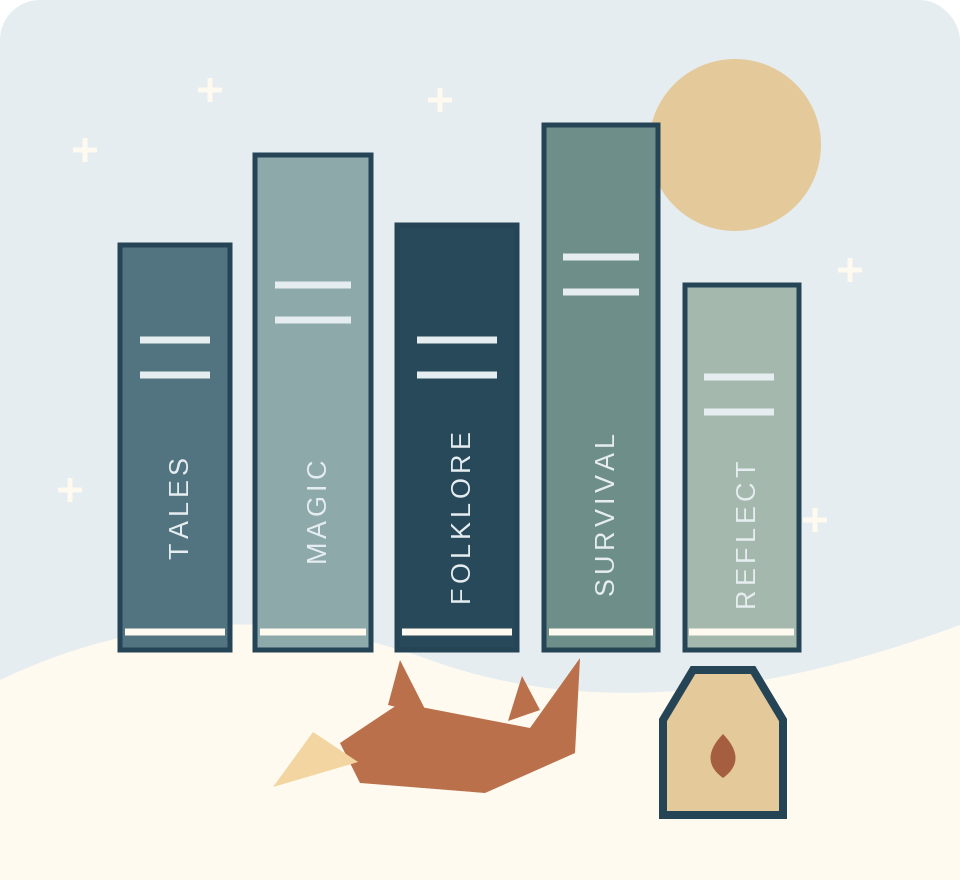
Four novels and one nonfiction choice for winter: The Snow Child, Spinning Silver, The Bear and the Nightingale, Moon of the Crusted Snow and Wintering.
Winter can be a physical landscape, a source of folklore, a test for a community or a way to think about a difficult period. These books use the cold differently. A snowy setting is not a guarantee of comfort, so start with the kind of reading experience you want and the difficult subjects you would rather avoid.
A GOOD PLACE TO START
One pick to start with?
Start with The Snow Child for an Alaskan story that holds realism and fairy tale close together. Choose Spinning Silver for bargains and dangerous magic, The Bear and the Nightingale for household spirits and folklore, Moon of the Crusted Snow for community survival, or the nonfiction Wintering for personal reflection.
Jack and Mabel try to make a life in 1920s Alaska while becoming increasingly distant from one another. After they make a child from snow, a mysterious girl appears near their homestead. Choose it for the uncertainty between something that might be understood practically and something that feels as though it belongs to a tale told beside a fire.
Before you choose
Grief, childlessness, isolation and the demands of homesteading give the wonder a painful context. It is an adult novel, not a children's story just because a child and snow appear in the title. Choose it for emotional ambiguity rather than a simple winter escape.
Miryem takes over collecting the debts owed to her family and develops a reputation that draws the attention of the Staryk king. Choose Naomi Novik's novel when winter should belong to a dangerous fairy-tale world of bargains and unequal power. Practical questions about money and obligation give the magic something substantial to press against.
Before you choose
Multiple perspectives and an expanding magical conflict ask for more concentration than a single fireside tale. Poverty, prejudice and coercion matter to the story. The 2018 work record identifies the novel; later editions have their own publication dates.
Vasya grows up in a Russian wilderness where stories about spirits are woven into ordinary life. A new insistence that her household abandon older practices creates danger and conflict. Choose it when you want winter to feel inseparable from the beliefs, domestic routines and limits placed on a young woman's life.
Before you choose
Religious conflict, frightening supernatural forces and family restrictions make this darker than a cozy folktale. It is the first Winternight novel, so choose it with room for a larger story. The folklore and fantasy should not be treated as a comprehensive historical account of Russia.
A northern Anishinaabe community loses its connections to the outside world as winter approaches. Food, leadership and relationships become urgent questions. Choose Waubgeshig Rice's novel when the appeal is how people understand survival together, with knowledge of land and community central to the story rather than merely scenery around a lone adventurer.
Before you choose
Scarcity, death, intimidation and social breakdown make this a tense, dark choice. It is a fictional post-apocalyptic story, not practical emergency advice or a substitute for learning about the specific community and traditions it portrays. Choose another pick for a restful snowy atmosphere.
Katherine May connects a difficult period in her own life with observations about rest, nature, literature and seasonal rhythms. Choose this when you want reflective nonfiction instead of another fictional crisis. Its place alongside the novels is a change in the kind of attention required: considering a personal account rather than following an invented plot.
Before you choose
Illness, family difficulty and sadness are part of the account. The reflections are one writer's perspective, not a treatment plan or a promise that a book will resolve distress. If you want a continuous adventure or a fully imagined winter world, choose one of the novels instead.
We selected four adult novels and one work of personal nonfiction, rather than calling every winter book cozy. The comparisons distinguish atmosphere from plot, and practical winter danger from winter as a metaphor. Book years follow the linked work records, not every later edition. The Bear and the Nightingale begins a trilogy; Wintering is not a novel or a clinical guide.
The descriptions, comparisons and tradeoffs are original editorial guidance. They are not audience endorsements or a vote-based ranking.